



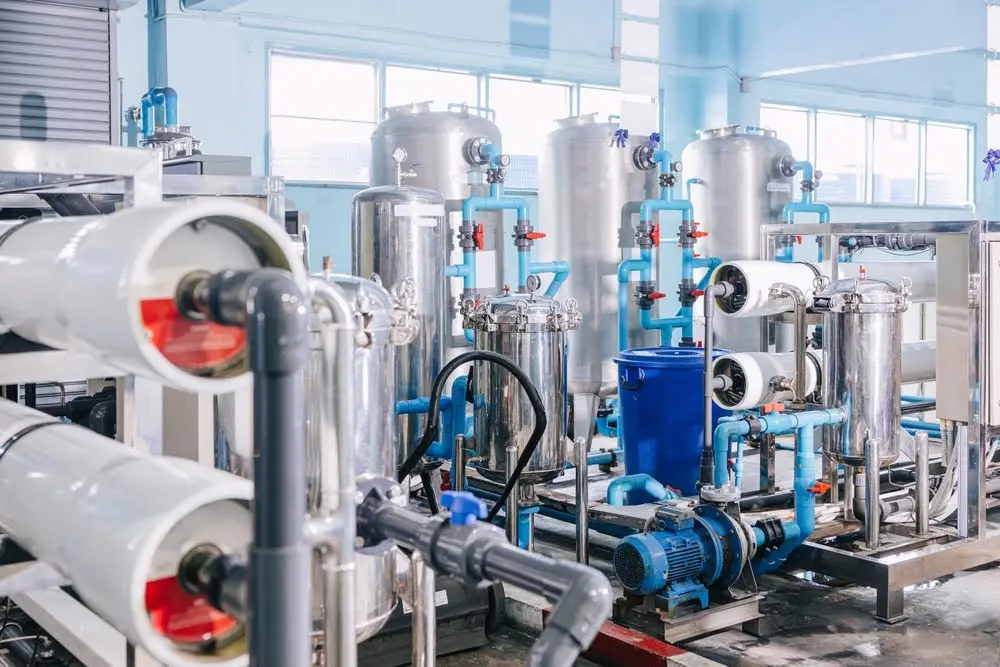
From protecting communities against waterborne diseases to supporting manufacturing processes and power generation, water quality directly impacts nearly every aspect of modern life. While advances in filtration, membrane treatment, and ultraviolet disinfection have expanded the range of available water treatment technologies, chlorination remains one of the most reliable, cost-effective, and widely used disinfection methods worldwide. Its proven ability to neutralize harmful microorganisms and maintain disinfectant residuals throughout distribution systems has made it a cornerstone of water treatment for more than a century.
Today, dependable chlorination systems, supported by precise chemical feed and monitoring equipment from Hydro Instruments, play a critical role in protecting water quality across municipal and industrial environments.
Why Chlorination Is Essential for Water Safety
Chlorination is an essential component of modern water treatment strategies, as its effectiveness, adaptability, and ability to provide ongoing protection make it indispensable in both drinking water and wastewater applications.
Effective Control of Pathogens
One of the most important benefits of chlorination is its ability to inactivate a wide range of harmful microorganisms. Bacteria, viruses, and certain protozoa that can cause serious illnesses (such as cholera, typhoid, and dysentery) are effectively neutralized when exposed to properly dosed chlorine. Unlike some disinfection methods that only treat water at a single point, chlorination continues working as water moves through pipes and storage tanks, providing ongoing protection against contamination.
This residual disinfectant capability is particularly important in large distribution systems, where water may travel long distances before reaching consumers. As water moves from the treatment plant to the tap, chlorine helps ensure it remains microbiologically safe.
Proven Reliability and Global Acceptance
Chlorination has been extensively studied and refined over decades of use. Its chemistry, effectiveness, and limitations are well understood by engineers, regulators, and water operators worldwide. Because of this long track record, chlorination is recognized and accepted by regulatory agencies as a primary disinfection method for drinking water and wastewater treatment.
This reliability is critical in situations where consistent water quality must be maintained under varying conditions, such as changes in source water quality, seasonal temperature fluctuations, or demand surges. Properly designed chlorination systems can be adjusted quickly to respond to these changes without compromising safety.
Cost-Effective Disinfection Solution
Compared to many advanced treatment technologies, chlorination is relatively economical to implement and operate. Chlorine chemicals are widely available, and dosing systems can be scaled to accommodate both small facilities and large municipal systems. This cost-effectiveness makes chlorination accessible to communities and industries of all sizes.
Additionally, when paired with accurate gas feed equipment, chlorination minimizes chemical waste and reduces the risk of overdosing, supporting both budget control and environmental responsibility.
Flexibility Across Water Treatment Needs
Chlorination systems are highly adaptable and can be used at multiple stages of the water treatment process. In drinking water systems, chlorine may be applied for primary disinfection, secondary disinfection, or both. In wastewater treatment, chlorination is commonly used for effluent disinfection before discharge or reuse.
This flexibility allows operators to tailor treatment strategies to specific water quality challenges, regulatory requirements, and operational goals, making chlorination a versatile solution across diverse applications.
Chlorination Systems in Municipal and Industrial Applications
Chlorination plays a vital role in both municipal infrastructure and a wide range of industrial operations that depend on consistent water quality.
Municipal Drinking Water
In municipal drinking water treatment plants, chlorination is used to ensure water is safe for consumption and remains protected throughout the distribution network. Precise dosing is essential to achieve effective disinfection while maintaining acceptable taste and odor levels and complying with regulatory limits.
Wastewater Facilities
Wastewater treatment facilities also rely on chlorination to disinfect treated effluent before it is discharged into the environment or reused. This process helps protect downstream ecosystems and public health by reducing the release of harmful pathogens.
Food and Beverage Processing
The food and beverage industry depends on high-quality water for product safety, sanitation, and compliance with health standards. Chlorination is commonly used to disinfect process water, wash water, and cleaning systems to prevent microbial contamination that could compromise product quality or safety.
Industrial Facilities
Power plants, paper mills, and other heavy industrial facilities use large volumes of water for cooling, processing, and equipment protection. Chlorination helps control biological growth that can foul pipes, heat exchangers, and cooling towers, reducing maintenance costs and improving operational efficiency.
Monitoring and Maintaining Proper Chlorine Levels
Effective chlorination depends not only on chemical dosing but also on continuous monitoring and control. Maintaining proper chlorine residuals is essential for ensuring disinfection efficacy, meeting regulatory requirements, and responding quickly to changes in water quality.
The Importance of Continuous Monitoring
Water quality conditions can change rapidly due to variations in source water, flow rates, temperature, or organic load. Without continuous monitoring, chlorine levels may fall below effective thresholds or exceed acceptable limits, potentially compromising safety or compliance.
Analytical monitoring equipment provides real-time data on chlorine residuals, allowing operators to make informed adjustments and maintain consistent disinfection performance.
Supporting Compliance and Operational Confidence
Regulatory agencies require strict control and documentation of disinfectant levels in both drinking water and wastewater systems. Accurate monitoring helps facilities demonstrate compliance while reducing the risk of violations or corrective actions.
Advanced monitoring and control solutions also support proactive maintenance, early detection of system issues, and improved overall reliability. When paired with precise chlorination systems, monitoring equipment helps create a fully integrated approach to water treatment management.
Partner With Hydro Instruments for Reliable Chlorination Solutions
Chlorination remains a cornerstone of water safety for good reason. Its proven effectiveness, flexibility, and ability to provide lasting protection make it indispensable in municipal and industrial water treatment systems. However, achieving reliable and compliant chlorination requires more than chlorine alone; it depends on precise feed control, accurate monitoring, and dependable equipment.
Municipal water authorities, utilities, and industrial facilities seeking to strengthen their water treatment programs are encouraged to contact Hydro Instruments to learn more about gas feed systems and monitoring solutions designed to support safe, compliant, and efficient chlorination processes. With the right technology and expertise, chlorination can continue to safeguard water quality and public health for generations to come.
Comments are closed.