



Modern water treatment facilities are facing increasing pressure to operate more efficiently while maintaining strict regulatory compliance. This means that the need for advanced disinfection and monitoring technologies has never been greater. Because of this, municipalities, industrial plants, and utilities are investing in high-capacity chlorination and residual process history (RPH) monitoring systems.
Could your processes benefit from a high-capacity chlorinator and RPH monitoring system? These devices allow facilities to optimize performance, reduce operational costs, and enable smarter, data-driven decision-making. All of these benefits, in turn, lead to a high return on investment.
Understanding High-Capacity Chlorination Systems
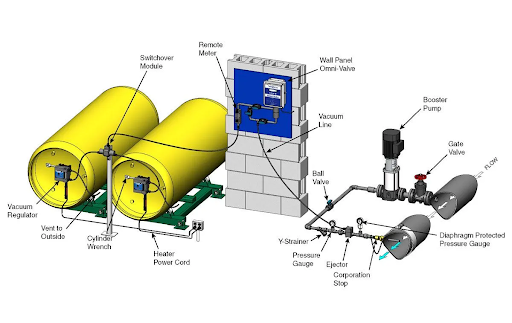
High-capacity chlorination systems, such as the Series 200 chlorine feeder from Hydro Instruments, are engineered to deliver chlorine or other disinfectants at precise, controlled rates. In this way, water remains safe for consumption or discharge while meeting regulatory standards.
One of the key advantages of high-capacity systems is their ability to maintain consistent dosing across varying flow conditions. In facilities where water demand fluctuates throughout the day, maintaining the correct chlorine residual can be challenging. Advanced chlorination systems are designed with automated controls and flow-responsive mechanisms that adjust dosing in real time, minimizing the risk of under- or over-chlorination. An example of this is the OV-1000 Omni-Valve Automatic Gas Feeder from Hydro Instruments.
Scalability is another important factor. As facilities expand or face increased demand, high-capacity chlorination systems can be configured to accommodate higher volumes without compromising performance. This flexibility allows operators to future-proof their infrastructure while maintaining operational efficiency.
What Is RPH Monitoring, and Why Does It Matter?
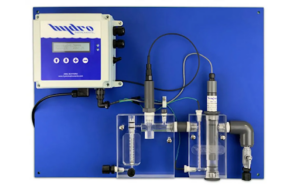
Residual process history (RPH) monitoring refers to the continuous tracking and recording of disinfectant residual levels throughout the water treatment process. Rather than relying solely on periodic manual testing, RPH systems provide a comprehensive, time-based record of how residual levels fluctuate over time.
At its core, RPH monitoring involves the use of sensors, analyzers, and digital control systems, such as the Series RPH-250 Probe Residual Analyzer and the Series RPH-260 Probe Residual Analyzer from Hydro Instruments, to measure chlorine residuals at various points within the system. This data is collected and stored, creating a detailed history that operators can review for trends, anomalies, and performance insights.
The Importance of RPH Monitoring
Regulatory agencies require facilities to maintain specific residual levels to guarantee water safety. With RPH monitoring, operators can demonstrate consistent compliance through documented data, reducing the risk of violations or penalties.
Beyond compliance, RPH monitoring enables proactive system management. By analyzing historical data, operators can identify inefficiencies, detect equipment issues early, and make informed adjustments to dosing strategies. This level of visibility transforms water treatment from a reactive process into a proactive, data-driven operation.
Breaking Down the ROI of Advanced Chlorination & RPH Monitoring Systems
Investing in high-capacity chlorination systems and RPH monitoring technology comes with a significant upfront cost, but the return on investment becomes clear when examining the long-term financial and operational benefits.
Chemical Cost Savings
Inaccurate dosing, whether due to outdated equipment or erroneous manual processes, often leads to overuse of chlorine. Advanced feed and residual monitoring systems optimize dosing precision, ensuring that only the necessary amount of disinfectant is used. Over time, this reduction in chemical consumption can lead to substantial cost savings.
Improved Operational Efficiency
Automated chlorination systems reduce the need for constant manual adjustments, freeing up staff to focus on higher-value tasks. This not only improves productivity but also reduces labor costs associated with monitoring and maintaining the system.
Minimized Equipment Downtime
High-quality chlorination systems are designed for reliability, with robust components that withstand demanding operating conditions. When paired with RPH monitoring, operators gain early warning of potential issues, which allows for preventative maintenance rather than costly emergency repairs. And reduced downtime translates directly into financial savings and improved service continuity.
Enhanced Operational Control
With real-time data and historical insights, facilities can fine-tune their processes to achieve optimal performance. This level of control reduces variability, improves treatment outcomes, and ensures consistent compliance, all of which contribute to long-term cost efficiency.
Other Benefits of High-Capacity Chlorination & RPH Monitoring Systems
Operational Compliance
Regulatory compliance remains a top priority for water treatment facilities, and the ability to provide accurate, detailed reporting is essential. RPH monitoring systems simplify this process by automatically generating comprehensive records, making audits and inspections more straightforward.
Improved reporting capabilities also enhance transparency and accountability. Facilities can confidently demonstrate their commitment to safety and compliance, building trust with regulators, stakeholders, and the communities they serve.
System Reliability
High-capacity chlorination systems designed by Hydro Instruments are built to deliver consistent performance over extended periods. This reliability reduces the likelihood of unexpected failures and helps facilities maintain uninterrupted operations, even under challenging conditions.
Choose Hydro Instruments for Advanced Chlorination Solutions
When it comes to maximizing the return on investment in water treatment technology, partnering with the right manufacturer is essential. Hydro Instruments stands out as a trusted leader in high-capacity chlorination systems and advanced monitoring solutions, offering products that are engineered for precise dosing, durability, and long-term performance.
By choosing to partner with Hydro Instruments, facilities gain access to industry-leading solutions that deliver measurable improvements in efficiency, compliance, and operational insight, ultimately driving long-term value and return on investment. Contact our team today to learn more about the solutions that will work for your operation!
Comments are closed.